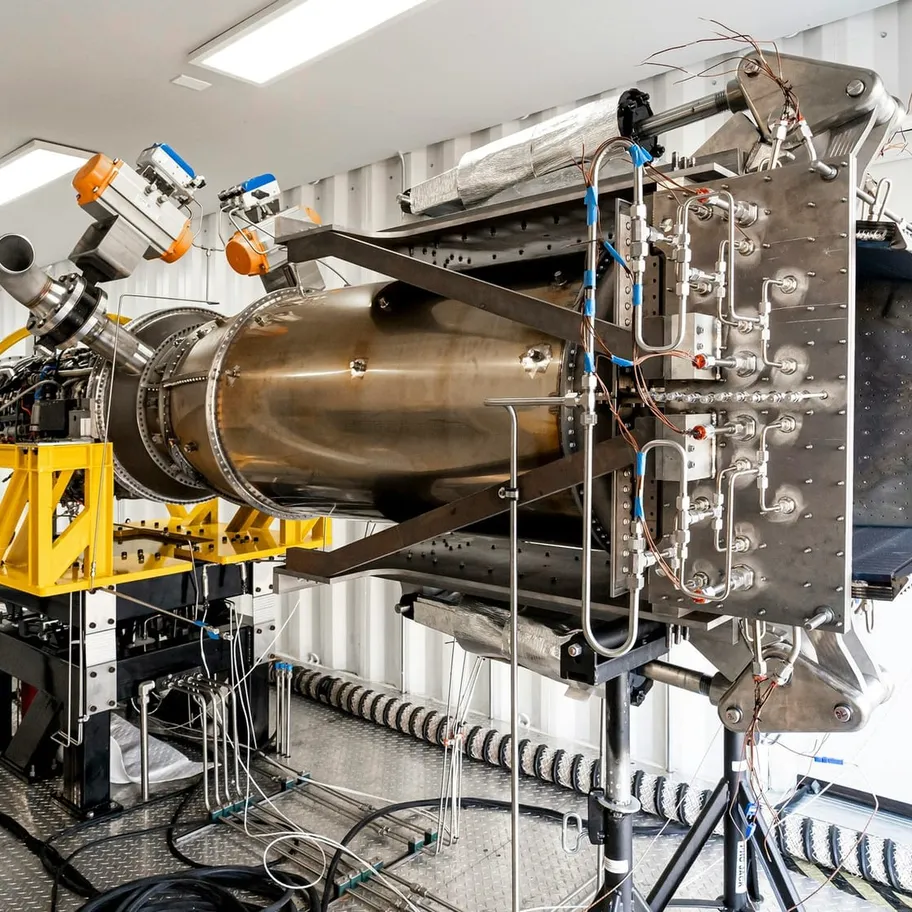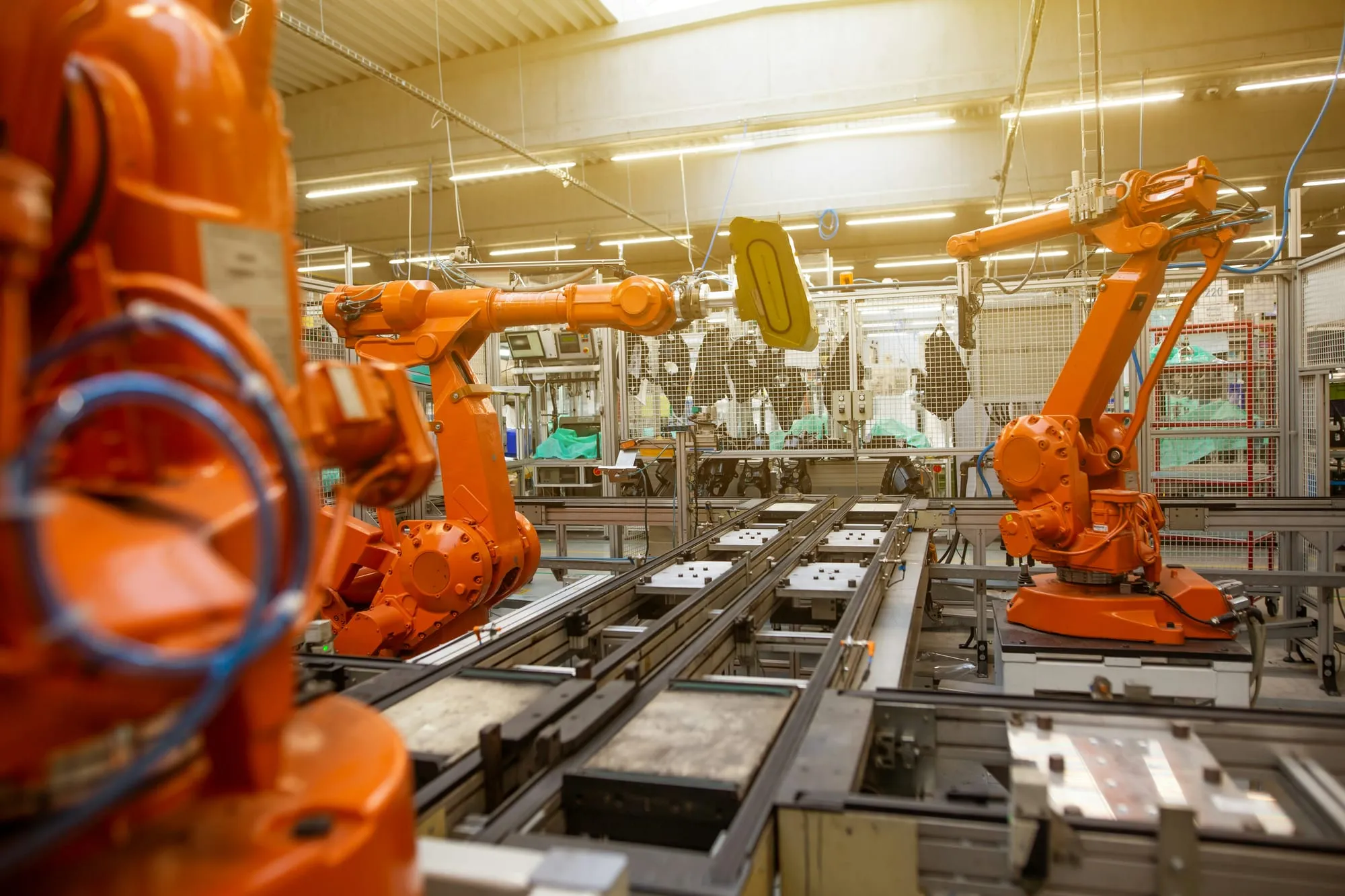

Digital Thread Integration: Connecting Engineering, Manufacturing, and Service
Windchill, Solumina MES, ERP and Salesforce CPQ connected into one thread.
Read customer story
 Talk to a consultantContact
Implement
Stand up Windchill and MPMLink
Improve
Fix or modernize what you have
Integrate
Connect Windchill to the rest
 Digital Thread Integration: Connecting Engineering, Manufacturing, and ServiceRead case study
Regulated
Compliance built into the PLM
Complex products
Variants, ETO and long lifecycles
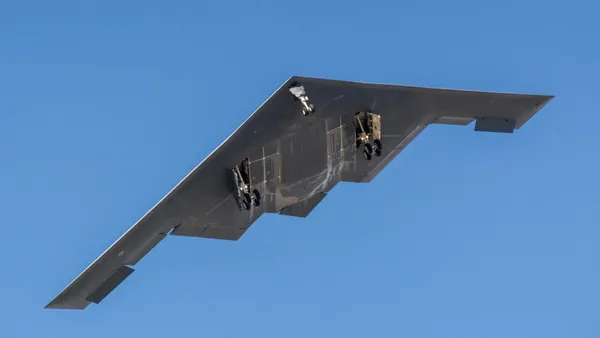 MPMLink Implementation: Modernizing Manufacturing Process Management for Defense ContractorRead case study
Learn
Plain answers on PLM and Windchill
Choosing a partner
For teams comparing options
 PTC's Services Team or an Independent Windchill Partner? How to DecideRead
Element
Senior-only PTC Windchill consultancy since 2003
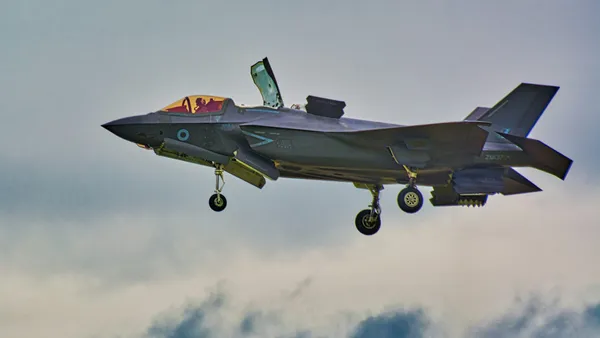 A Production Windchill Upgrade: 40 Phases, Zero Failures, Zero OutageRead case study
Choosing a partner
Element implements PTC Windchill PLM for manufacturers in aerospace & defense, medical devices, automotive, and industrial equipment. A typical implementation runs 4–9 months and moves through five stages: discovery, configuration, data migration, integration, and adoption.
Talk to a consultant
Why? Most consultants focus on configuring software and declare victory at go-live.
Then nobody uses it. Engineers keep using Excel. Manufacturing doesn't trust the data. "Phase 2" never happens.
The actual problem: They deployed technology without changing how people work. No organizational change management. No champions. No adoption strategy.
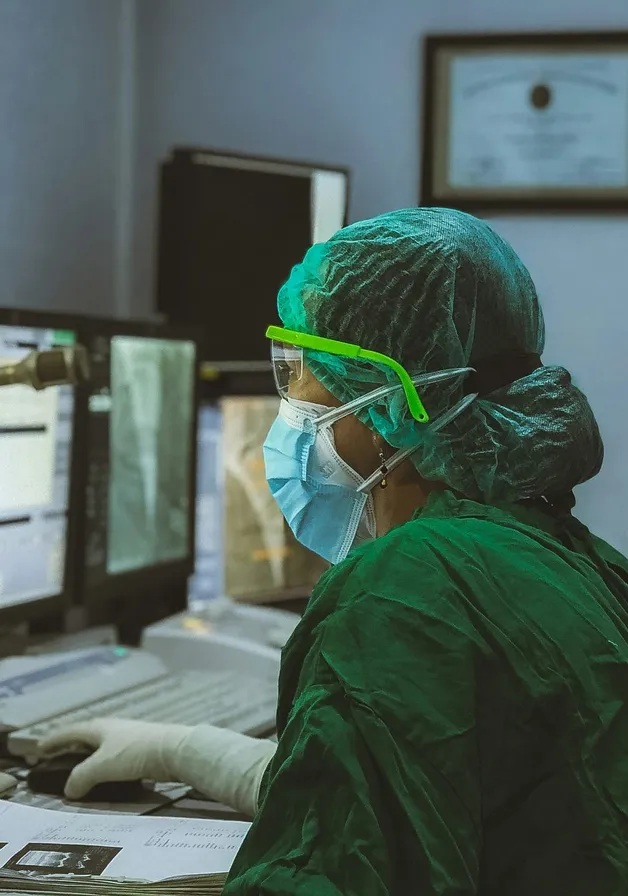
We design your workflows first, based on how your business actually operates. Then we configure PLM to match. Not the other way around.
We don't declare success at go-live. Success is 80%+ of your people preferring the new system. That's why we hit 88% adoption vs 30% industry average.
We train your champions deeply, document everything, and make you self-sufficient. You own the system, not us.
Aerospace manufacturers need complete part traceability from design through manufacturing, MRO, and end-of-life. Digital thread for certifications, supplier compliance, and audit readiness. Handle multi-level assemblies with configuration management across decades-long lifecycles without breaking ERP.
Learn MoreAutomotive suppliers face relentless pressure: rapid model year changes, OEM portal requirements, PPAP documentation, and global manufacturing coordination. Quality management must integrate with PLM—FMEA tracking, control plans, and change synchronization between engineering and manufacturing.
Learn MoreIndustrial equipment manufacturers face unique challenges: highly configurable products, engineer-to-order workflows, and complex aftermarket service requirements. Sales needs to quote configurable products, engineering must validate feasibility, and manufacturing must build without rework—all connected in real-time.
Learn MoreMedical device manufacturers operate under the strictest regulatory scrutiny. Every design decision must be documented. Every change must be traceable. Every device must maintain complete manufacturing history. PLM is your quality management system, not just a file vault.
Learn MoreElectronics manufacturers face compressed product lifecycles, complex global supply chains, and relentless pressure for faster new product introductions. Your PLM must handle rapid design iterations, component sourcing across continents, and manufacturing ramp at scale—all while managing obsolescence and cost pressures.
Learn MoreLife sciences companies must maintain complete batch traceability, manage complex formulations, and document every process for regulatory submissions. Your PLM and quality systems must work together seamlessly—from R&D through commercial manufacturing and post-market surveillance.
Learn MoreThe industry's own number is uncomfortable: a large share of PLM implementations miss their objectives, run long, or get abandoned after go-live. The causes are predictable — and preventable.
Teams try to configure every Windchill module at once instead of sequencing by business value.
Legacy part numbers, duplicate BOMs, and inconsistent revisions get migrated as-is, so the new system inherits the old chaos.
Engineering keeps working in the old way because nobody owned the behavior change.
The Windchill–ERP handoff is scoped last, when it should be designed first.
We run implementations to avoid exactly these failure modes: tight initial scope, a data model designed before configuration, integration architecture decided up front, and a named adoption owner from day one. How that owner works, from the stakeholder analysis in discovery to hypercare, is in our guide to organizational change management for PLM rollouts.
We document your current engineering and change processes, define the target Windchill data model, and lock the scope of phase one. Deliverable: a solution design document and a configuration backlog.
We configure lifecycles, workflows, access control policies, numbering schemes, and the BOM/CAD data structure in a sandbox, demoed to your team in two-week increments.
We extract, clean, and load legacy CAD files, parts, BOMs, documents, and revision history. De-duplication, part-number normalization, and revision reconciliation happen before load, not after.
We connect Windchill to ERP, MES, and CAD tools so part master and BOM synchronization creates one source of truth between engineering and production.
Read the ERP–PLM integration guideWe validate the configuration against requirements, train users by role, cut over, and stay engaged through hypercare to drive adoption and resolve issues that only surface under real use.
A focused phase-one implementation typically runs 4–9 months. The timeline moves with CAD user count, legacy data quality, ERP integration complexity, site count, and approval workflows.
Cost is driven by scope, data volume, integration complexity, and number of users — not a list price. We provide a fixed-scope estimate after discovery so the number is predictable before build begins.
Engineers, not generalists. Integration designed before configuration. Rescue experience when a rollout has already stalled. We've implemented Windchill on real programs — defense, aircraft, Class II/III medical devices — not just configured demos.
See Windchill Rescue+64%
User adoption improvement in 6-month PLM rescue program for aerospace manufacturer.
-81%
Change order cycle time reduction through automated PLM-ERP integration.
67%
Reduction in manufacturing errors after implementing digital work instructions and change management.
*Results reflect specific project implementations and may vary based on organizational factors and scope.
Windchill, Solumina MES, ERP and Salesforce CPQ connected into one thread.
Read customer story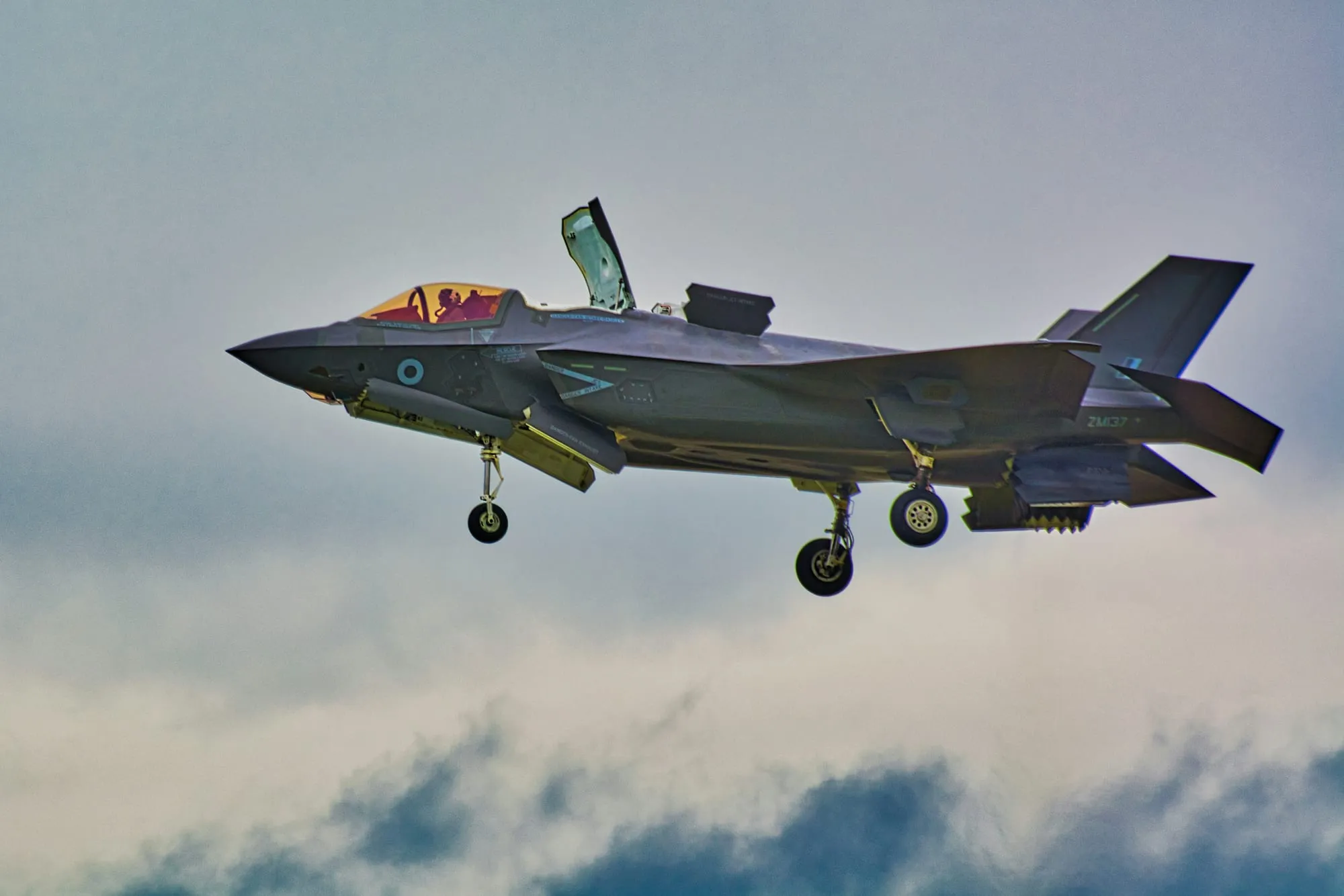

40 of 40 migration phases, zero failures, zero production outage.
Read customer storyAbout Element Consulting. Element Consulting is an independent PTC partner that has implemented, upgraded, integrated, and rescued PTC Windchill since 2003: 100+ PLM implementations, a senior-only team, headquartered in West Des Moines, Iowa. Managing Partner Eric Horn is a PTC Certified Windchill Implementation Practitioner. The firm works mainly in aerospace and defense, federal and national-security programs, medical devices, and industrial equipment, including ITAR-controlled and government-cloud delivery, and does not resell software.
A focused phase-one implementation typically runs 4 to 9 months. The timeline moves with CAD user count, legacy data quality, ERP integration complexity, site count, and approval workflows.
Cost is driven by scope, data volume, integration complexity, and number of users, not a list price. We provide a fixed-scope estimate after discovery so the number is predictable before build begins.
Yes. We connect Windchill to SAP, Oracle, Microsoft Dynamics 365 and Infor using PTC's ESI framework, middleware or custom interfaces, and we design the integration before configuration rather than after.
That is rescue work, and it is a core service. We assess what is blocking adoption, fix the data and process problems underneath it, and get the system used. See Windchill Rescue and Optimization.
Aerospace and defense, federal and national-security programs, medical devices, industrial equipment, automotive, electronics and life sciences, including ITAR-controlled and government-cloud delivery.
Related knowledge
A senior consultant reads every message. We'll tell you where we'd start, or say so if we're not the right fit.