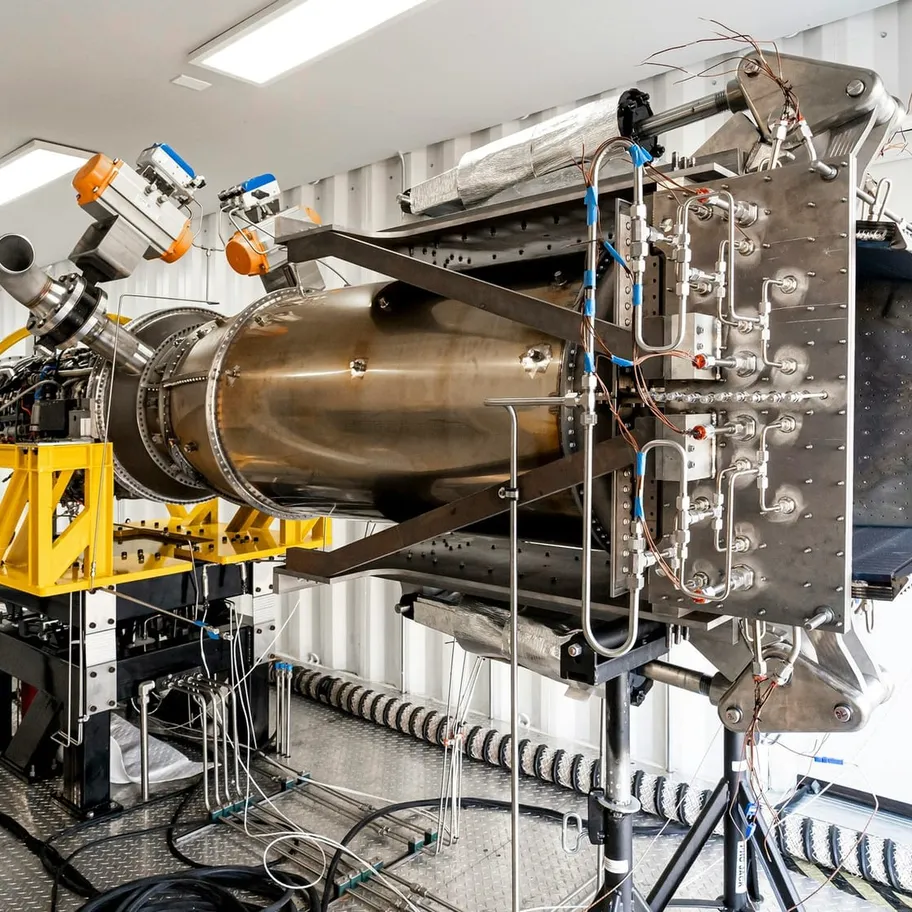

MPMLink Implementation: Modernizing Manufacturing Process Management for Defense Contractor
eBOM-to-mBOM in MPMLink, with one revision control across PLM and ERP.
Read customer story
 Talk to a consultantContact
Implement
Stand up Windchill and MPMLink
Improve
Fix or modernize what you have
Integrate
Connect Windchill to the rest
 Digital Thread Integration: Connecting Engineering, Manufacturing, and ServiceRead case study
Regulated
Compliance built into the PLM
Complex products
Variants, ETO and long lifecycles
 MPMLink Implementation: Modernizing Manufacturing Process Management for Defense ContractorRead case study
Learn
Plain answers on PLM and Windchill
Choosing a partner
For teams comparing options
 PTC's Services Team or an Independent Windchill Partner? How to DecideRead
Element
Senior-only PTC Windchill consultancy since 2003
 A Production Windchill Upgrade: 40 Phases, Zero Failures, Zero OutageRead case study
Choosing a partner
We implement, upgrade and move Windchill for defense manufacturers and national-security production programs. That covers ITAR-controlled technical data, government-cloud tenants, and MPMLink on the shop floor. Onshore U.S. team.
A program office or a defense manufacturer usually asks us three things before anything else. Can you handle ITAR-controlled technical data? Can you work inside our government cloud? Are your people in the U.S.? The answer to all three is yes, and the rest of this page is how.
Most of our federal work happens in Windchill itself: the access model that keeps controlled data with authorized people, the move from on-premises servers into a government-cloud tenant, and the manufacturing side in MPMLink, where the engineering BOM becomes the build.
We don't host Windchill. It stays in your tenant, under your accounts and your security controls. For the wider aerospace and defense picture (AS9100, effectivity, decades of sustainment), see Aerospace & Defense.
An MPMLink rollout for a major defense contractor, with one revision control across PLM and ERP. And for an aerospace and defense manufacturer (anonymized at its request), a move of production Windchill into its own Azure Government tenant, then a Windchill 12 to 13.1 upgrade in place a few weeks later: 40 of 40 upgrade phases, zero failures, zero production outage. How the move worked: Windchill on Azure Government Cloud.
eBOM-to-mBOM in MPMLink, with one revision control across PLM and ERP.
Read customer story

40 of 40 migration phases, zero failures, zero production outage.
Read customer storyWe build Windchill access control in three layers. Security labels mark the objects that carry ITAR- or EAR-controlled data and check them against each user's authorization, product and library teams decide who sees a context at all, and lifecycle state decides what they can do with it. Controlled data starts locked down, and access is granted on purpose.
The full model, and what we learned designing it, is in ITAR compliance in PLM.
Senior consultants who have worked on federal and national-security programs, onshore in the U.S. Messages from the contact form go straight to the people who lead that work, not to a sales team. Keep controlled data out of the form: tell us it exists and we'll set up the right channel.
Three things our clients mention when they refer us:
We design around how work actually happens.
Technology last. Reality first.
We don't disappear after delivery.
That's why clients call us partners, not vendors.
Success = people actually using it.
Because unused systems don't create ROI.
Yes. We configure Windchill so controlled technical data reaches only authorized U.S. persons: security labels on controlled objects, team membership by product and library, and access rules by lifecycle state, with audit logging behind all three. Don't send us controlled data to start a conversation. Tell us it exists and we'll agree the right channel first. More in ITAR compliance in PLM.
No. Windchill lives in your own environment, on-premises or in your Azure Government tenant, under your accounts and your security controls. We design the environment, move the data and stay through cutover. If you want a vendor-run service, ask PTC about Windchill+. See Windchill on Azure Government Cloud.
Yes. For one aerospace and defense client we moved Windchill 12 into Azure Government first, then upgraded it in place to 13.1 a few weeks later: 40 of 40 upgrade phases, zero failures, zero production outage. Each change had its own rehearsals and its own rollback. (Read the case study)
Related Knowledge





Tell us what you run and where it has to land. Leave the controlled details out; we'll set up the right channel for those.