








PLM Implementation for Industrial Equipment Manufacturers
Master complex configurations for engineer-to-order production. Quote configured equipment from the same product data engineering uses, so the price matches what gets built. From concept to production to field service—digital thread for custom equipment lifecycles.
Industrial equipment manufacturing demands flexibility, precision, and profitability on custom orders.
Every project is unique. A single product line can have more configurations than anyone can track by hand. Quote accuracy determines whether you win or lose money. And over the life of a machine, service revenue often exceeds the original sale.
Generic PLM implementations fail industrial equipment manufacturers because they don't understand engineer-to-order complexity, configuration management for custom builds, or the reality that your profitability depends on accurate quotes, efficient engineering, and long-term service support for one-of-a-kind machines.
Element Consulting specializes in PLM for industrial equipment manufacturers. We've implemented systems for industrial equipment companies, from heavy machinery to material handling to process equipment.
From the field
The change: manufacturing reviews engineering data before it's released. For one manufacturer, that change cut the nonconformances sent back to engineering from about 400 a year to about 40.
+64%
User adoption improvement in 6-month PLM rescue program for aerospace manufacturer.
-81%
Change order cycle time reduction through automated PLM-ERP integration.
67%
Reduction in manufacturing errors after implementing digital work instructions and change management.
*Results reflect specific project implementations and may vary based on organizational factors and scope.
What makes us different
Three things our clients mention when they refer us:
Partnership, not information
- We don't just deliver reports and leave
- We guide you through decisions (not just present options)
- We stay until it's working (not just technically live)
- We make sure you can sustain it (not dependent on us forever)
That's why clients call us partners, not vendors.
Process-First Integration
73% of integrations fail from technology-first approaches.
We start with how your people actually work. Including the workarounds. Including the Excel sheets. Including the guy who knows where everything really is.
Then we build integration to match that reality.
Technology last, not first.
OCM Adoption
What happens when you strip it:
- Technology works perfectly
- Users revert to Excel within 3 months
- $2M investment sits unused
- 39% adoption (industry average)
What we do differently:
- OCM is mandatory, not optional
- Change champions in each department (not just training)
- Measure adoption, not just implementation
- Fix what's not working (not just "go-live and hope")
FAQ
Can PLM help us transition from pure custom to more standardization?
Yes—in fact, that's one of the biggest PLM benefits for ETO. PLM visibility into design reuse helps identify: which custom components are actually duplicates, which modules appear across multiple projects, and where standardization opportunities exist. Companies that move to modular platforms reuse far more of their existing designs, which cuts engineering time on each order and protects margin.
What if our products have thousands of possible configurations?
That's normal for ETO. We've set up configurators for equipment lines with more valid configurations than anyone could manage by hand. PLM doesn't store every configuration—it stores modules and rules. Configuration engine generates specific BOMs on demand. Validation rules prevent impossible combinations. Sales can quote any valid configuration in minutes without engineering involvement (unless truly custom components needed).
How do you handle custom engineering within standard platforms?
We design platforms where most of each machine comes from standard modules and engineering time goes to the part that is actually custom. Standard modules (motors, frames, controls) are reused across projects. Custom elements (special fixtures, unique assemblies) are designed per order but follow standard processes. This balances customization with efficiency—you're not reinventing the wheel every time.
Can PLM help with aftermarket and service parts revenue?
Absolutely. Industrial equipment often generates more revenue from service over the life of the machine than from the original sale. PLM maintains as-built records (what was actually shipped to each customer), manages service BOMs (replacement parts), tracks field modifications, and enables spare parts quoting. Service teams know exactly what parts fit which machines—no guessing.
What's the ROI for industrial equipment PLM?
ROI for engineer-to-order manufacturers comes from four places: fewer quote errors (so fewer unprofitable orders), less engineering time on each custom design, more service revenue (accurate as-built records support the aftermarket), and better margins (real-time cost visibility stops underpricing). We build the business case with your numbers during discovery, before you commit to the full program.
How long does industrial equipment PLM implementation take?
Engineer-to-order implementations take time because the hard part is the design work up front: how your products break down into reusable modules, the configuration rules, CPQ integration for quoting, and the ERP connection for costing. Getting that architecture right takes time but prevents expensive rework. We give you a timeline after discovery.
Can PLM reduce quote errors for complex configurations?
Yes. Quotes come from the same validated configuration rules engineering uses, so most quote errors (missing options, incompatible choices, stale prices) can't be entered in the first place. PLM validates configurations (no incompatible combinations), generates accurate BOMs automatically, and provides real-time cost rollup so sales knows actual cost before quoting price. Engineering reviews quotes before submission, catching errors that would cause losses. No more "we quoted something we can't build profitably."
How does PLM handle engineer-to-order (ETO) configurations?
PLM manages modular product architectures where custom equipment is assembled from standard modules plus custom-engineered components. Configuration rules ensure valid combinations. BOMs generate automatically from customer requirements. Engineers focus on designing custom elements, not rebuilding entire machines from scratch. The result: engineers spend their time on the custom part of each order, not on recreating the standard part.
Related Knowledge
Industrial Equipment resources
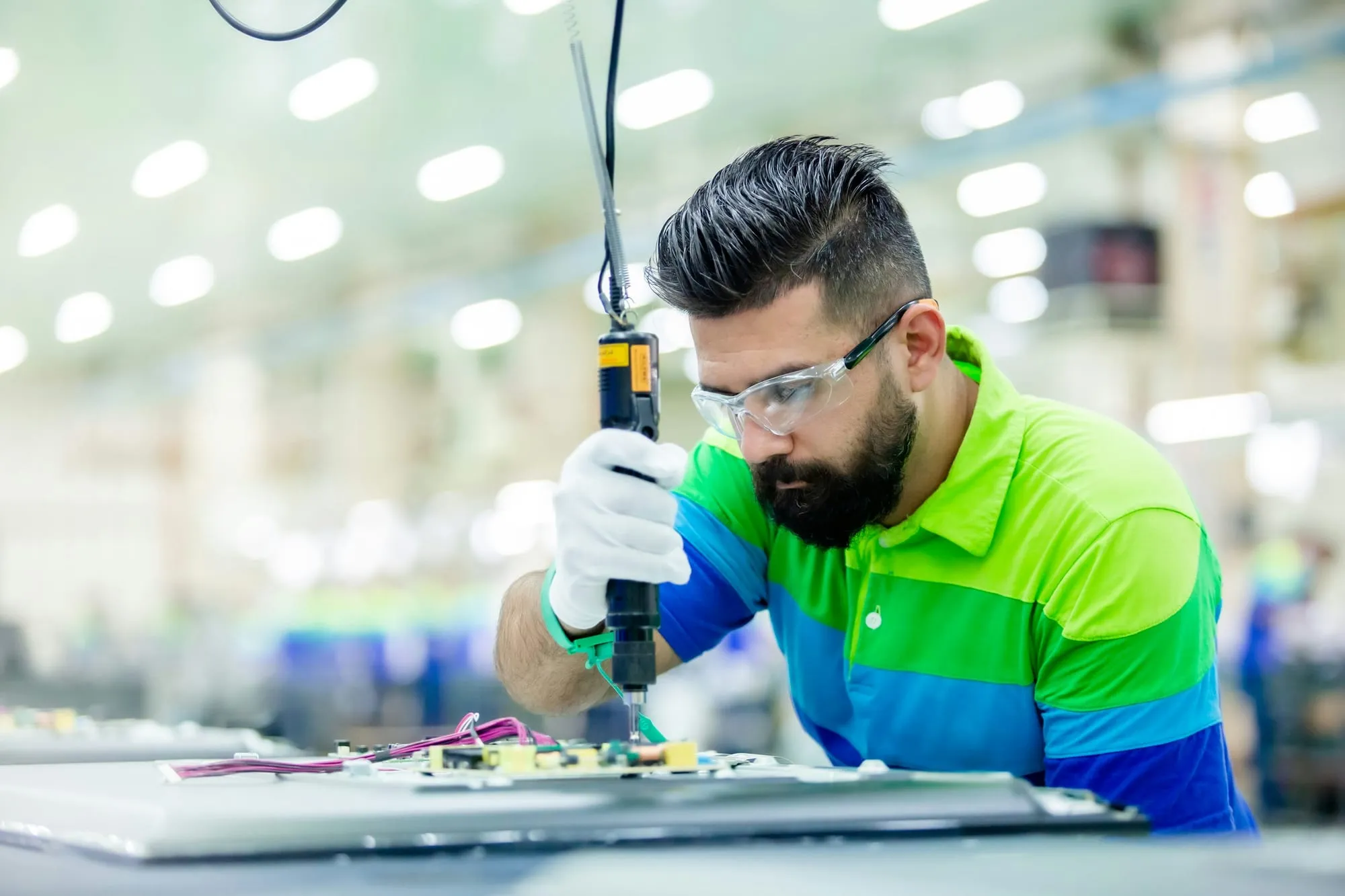
How to Implement Windchill MPMLink: eBOM to mBOM, Process Plans and Work Instructions

Parts Classification in Windchill: How PartsLink Works and How to Set It Up
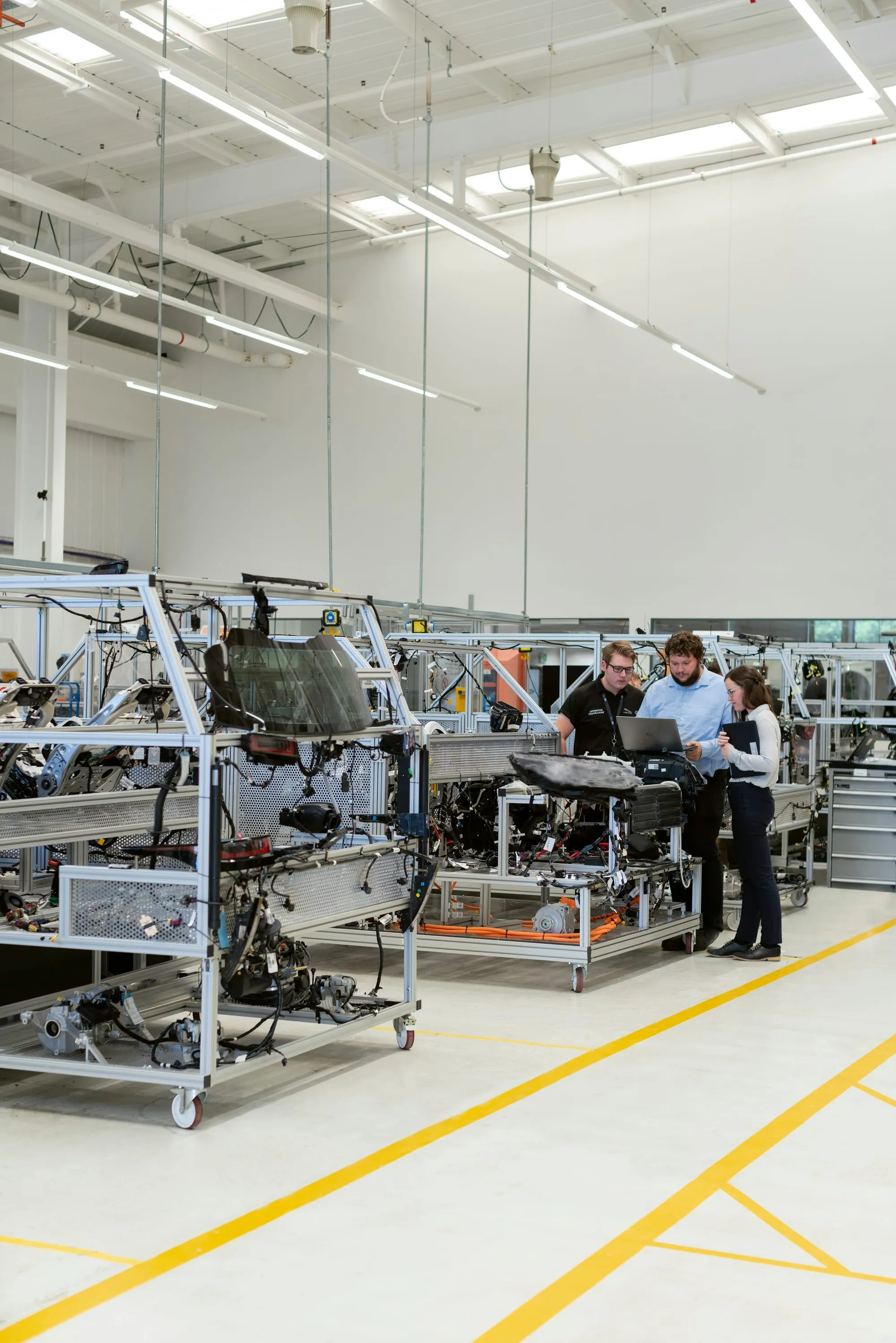
How to Choose a Windchill Upgrade Partner
What Is Windchill PDMLink? PTC's Product Data Management Module Explained

As-Built vs. As-Maintained: The Configuration Gap That Costs Aerospace Real Money
Tell us what you run and what's not working.
A senior consultant reads every message. We'll tell you where we'd start, or say so if we're not the right fit.