
Digital Thread Integration: Connecting Engineering, Manufacturing, and Service
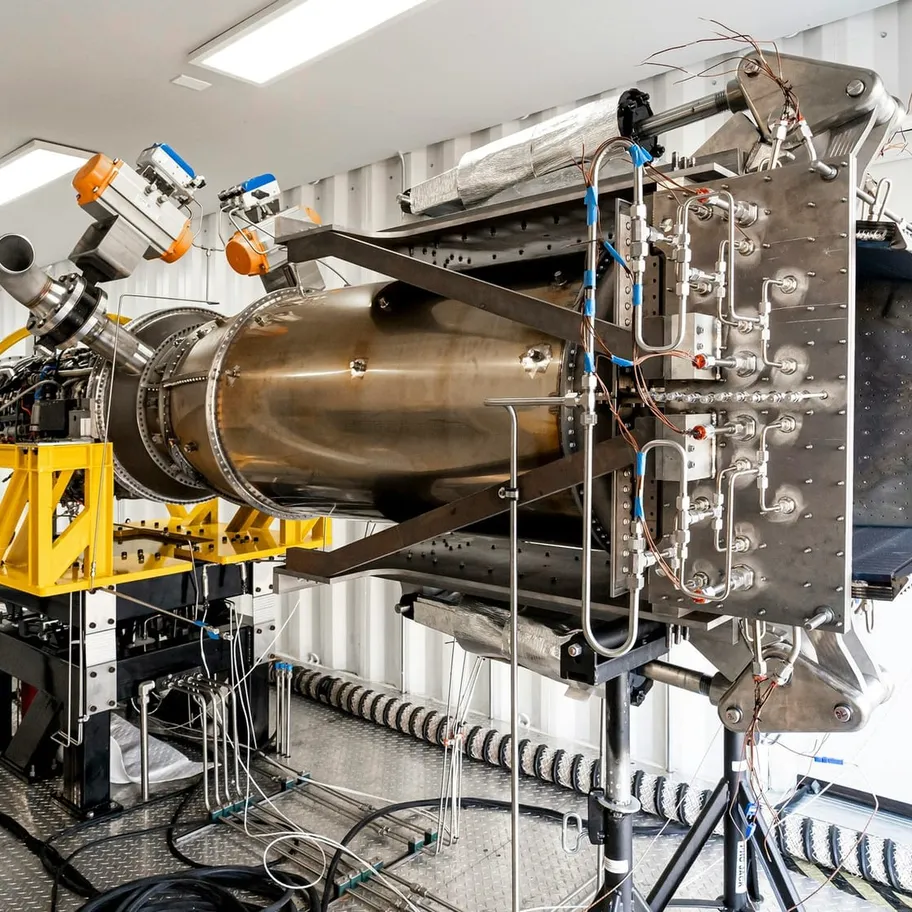
Windchill, Solumina MES, ERP and Salesforce CPQ connected into one thread.
Read customer story
 Talk to a consultantContact
Implement
Stand up Windchill and MPMLink
Improve
Fix or modernize what you have
Integrate
Connect Windchill to the rest
 Digital Thread Integration: Connecting Engineering, Manufacturing, and ServiceRead case study
Regulated
Compliance built into the PLM
Complex products
Variants, ETO and long lifecycles
 MPMLink Implementation: Modernizing Manufacturing Process Management for Defense ContractorRead case study
Learn
Plain answers on PLM and Windchill
Choosing a partner
For teams comparing options
 PTC's Services Team or an Independent Windchill Partner? How to DecideRead
Element
Senior-only PTC Windchill consultancy since 2003
 A Production Windchill Upgrade: 40 Phases, Zero Failures, Zero OutageRead case study
Choosing a partner
We connect PLM, ERP, MES, and QMS—and translate between engineering, manufacturing, and operations so they actually speak the same language.
The real problem? Nobody's translating what engineering calls a "component," manufacturing calls a "subassembly," and sales calls an "option."

BOMs sync automatically. Engineers see cost in real-time. Changes flow in <1 hour.
Work instructions update automatically. Shop floor always has current version.
Problems trigger design review. Closed-loop from defect to fix.
Only valid configurations. BOMs generate from orders. Accurate pricing. → Result: 90% fewer quote errors
+64%
User adoption improvement in 6-month PLM rescue program for aerospace manufacturer.
-81%
Change order cycle time reduction through automated PLM-ERP integration.
67%
Reduction in manufacturing errors after implementing digital work instructions and change management.
*Results reflect specific project implementations and may vary based on organizational factors and scope.
Windchill, Solumina MES, ERP and Salesforce CPQ connected into one thread.
Read customer story

40 of 40 migration phases, zero failures, zero production outage.
Read customer story12-16 weeks from architecture through production deployment. Shorter timelines (8-10 weeks) are possible for simple scope or cloud-to-cloud, but rushing integration increases failure risk. Proper architecture design takes time but prevents expensive rework.
80% of integration failures come from bad architecture, not bad technology. Most companies skip the design phase and jump straight to coding. We spend 4 weeks mapping what should sync, when, and how—before writing any code. That prevents most failures.
Changes queue in middleware and automatically sync when systems return online. Users are notified of delays but never blocked from working. Nothing is lost—everything syncs once systems are back up.
Not necessarily. We use integration platforms (Boomi, MuleSoft) when they fit, write custom APIs when needed. Most implementations use a hybrid approach. We'll recommend what makes sense for your budget and requirements—not what makes us the most money.
Average payback period: 6-9 months. ROI comes from eliminating manual data entry (40-80 hours/week saved), reducing errors (85% improvement), and faster decision-making. Fastest payback we've seen: 3 months (automotive supplier eliminating manual PPAP compilation).
Related knowledge



A senior consultant reads every message. We'll tell you where we'd start, or say so if we're not the right fit.