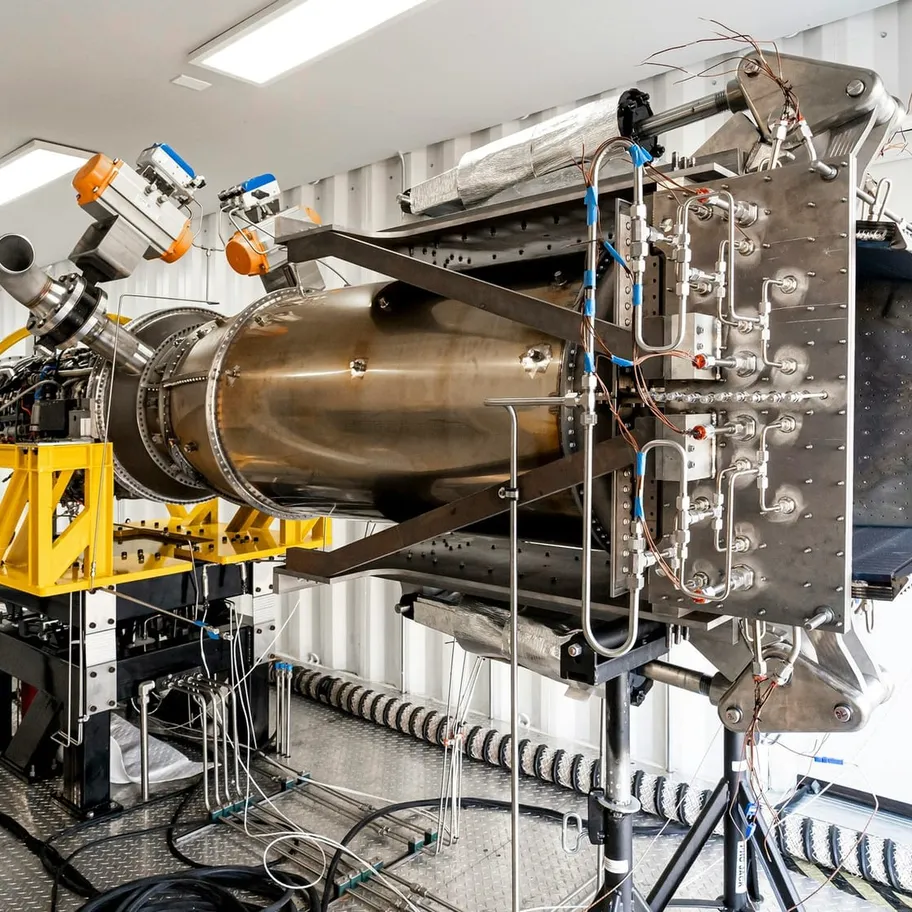

MPMLink Implementation: Modernizing Manufacturing Process Management for Defense Contractor
eBOM-to-mBOM in MPMLink, with one revision control across PLM and ERP.
Read customer story
 Talk to a consultantContact
Implement
Stand up Windchill and MPMLink
Improve
Fix or modernize what you have
Integrate
Connect Windchill to the rest
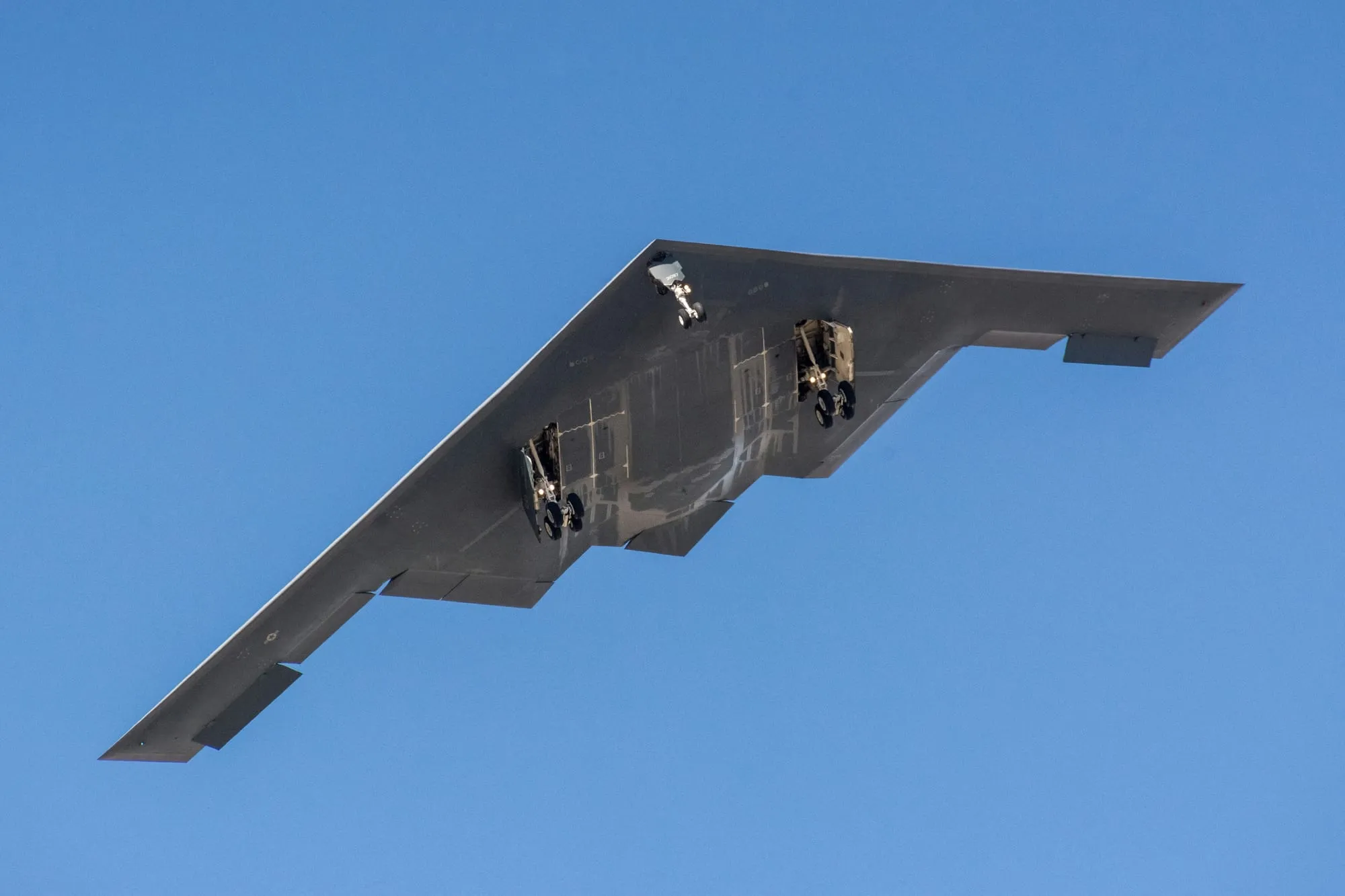
 Digital Thread Integration: Connecting Engineering, Manufacturing, and ServiceRead case study
Regulated
Compliance built into the PLM
Complex products
Variants, ETO and long lifecycles
 MPMLink Implementation: Modernizing Manufacturing Process Management for Defense ContractorRead case study
Learn
Plain answers on PLM and Windchill
Choosing a partner
For teams comparing options
 PTC's Services Team or an Independent Windchill Partner? How to DecideRead
Element
Senior-only PTC Windchill consultancy since 2003
 A Production Windchill Upgrade: 40 Phases, Zero Failures, Zero OutageRead case study
Choosing a partner
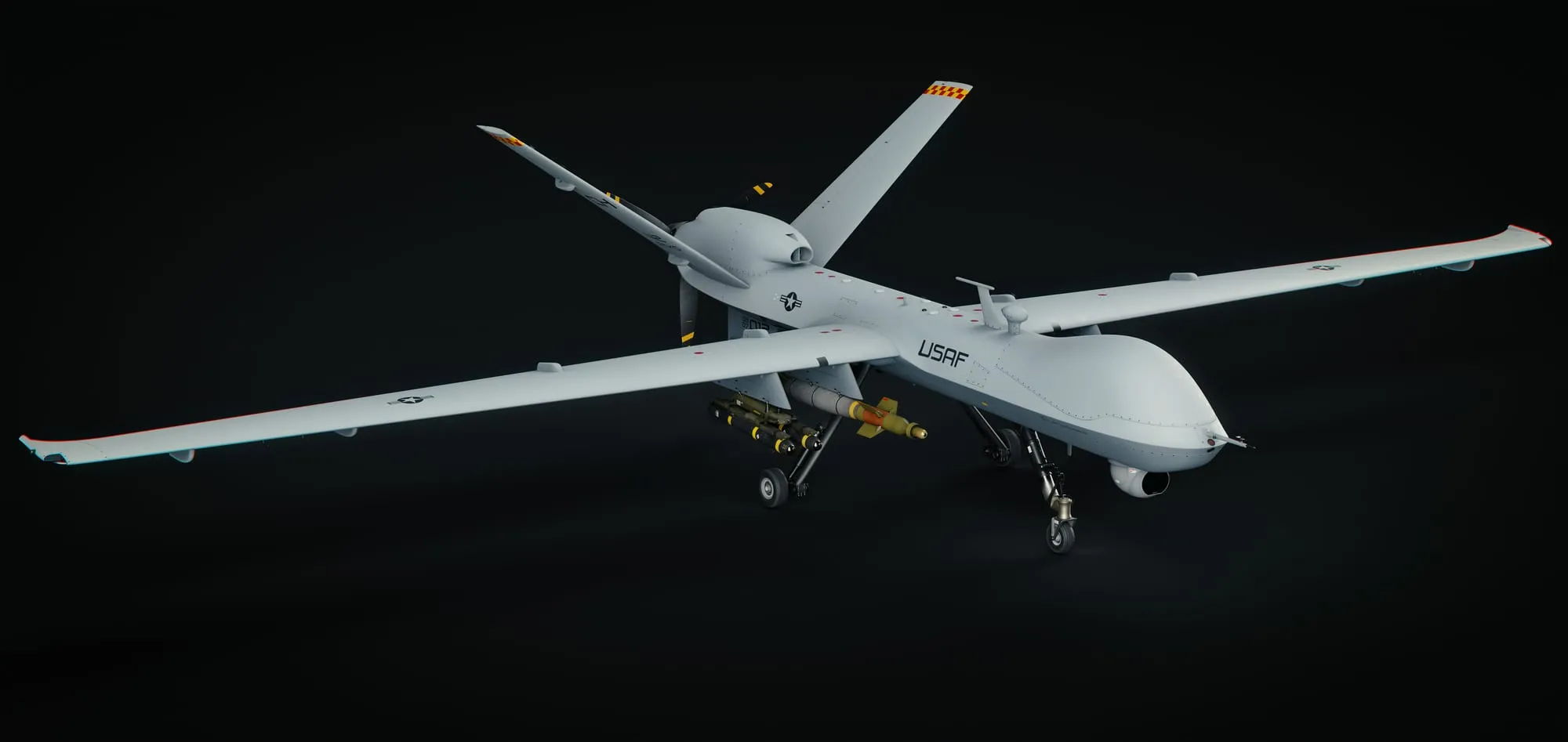
Connect engineering to manufacturing with complete traceability. Built for AS9100 quality systems and ITAR-controlled data. A digital thread from design through service, for products that stay in service for decades.
Aircraft stay in service for decades. Every component must be traced from raw material to finished aircraft. Configuration changes happen throughout the lifecycle. And a single audit finding can ground your entire production.
Generic PLM implementations fail aerospace manufacturers because they don't understand tail-number-specific traceability, effectivity-based configuration control, or the reality that your customers expect support, with complete documentation, for as long as the aircraft flies.
Element Consulting specializes in PLM for aerospace and defense. We've implemented systems for aerospace manufacturers, from major OEMs to tier-1 suppliers.
Controlled data: how we build ITAR access in Windchill · Moving Windchill to Azure Government · Windchill for federal and national-security programs

eBOM-to-mBOM in MPMLink, with one revision control across PLM and ERP.
Read customer story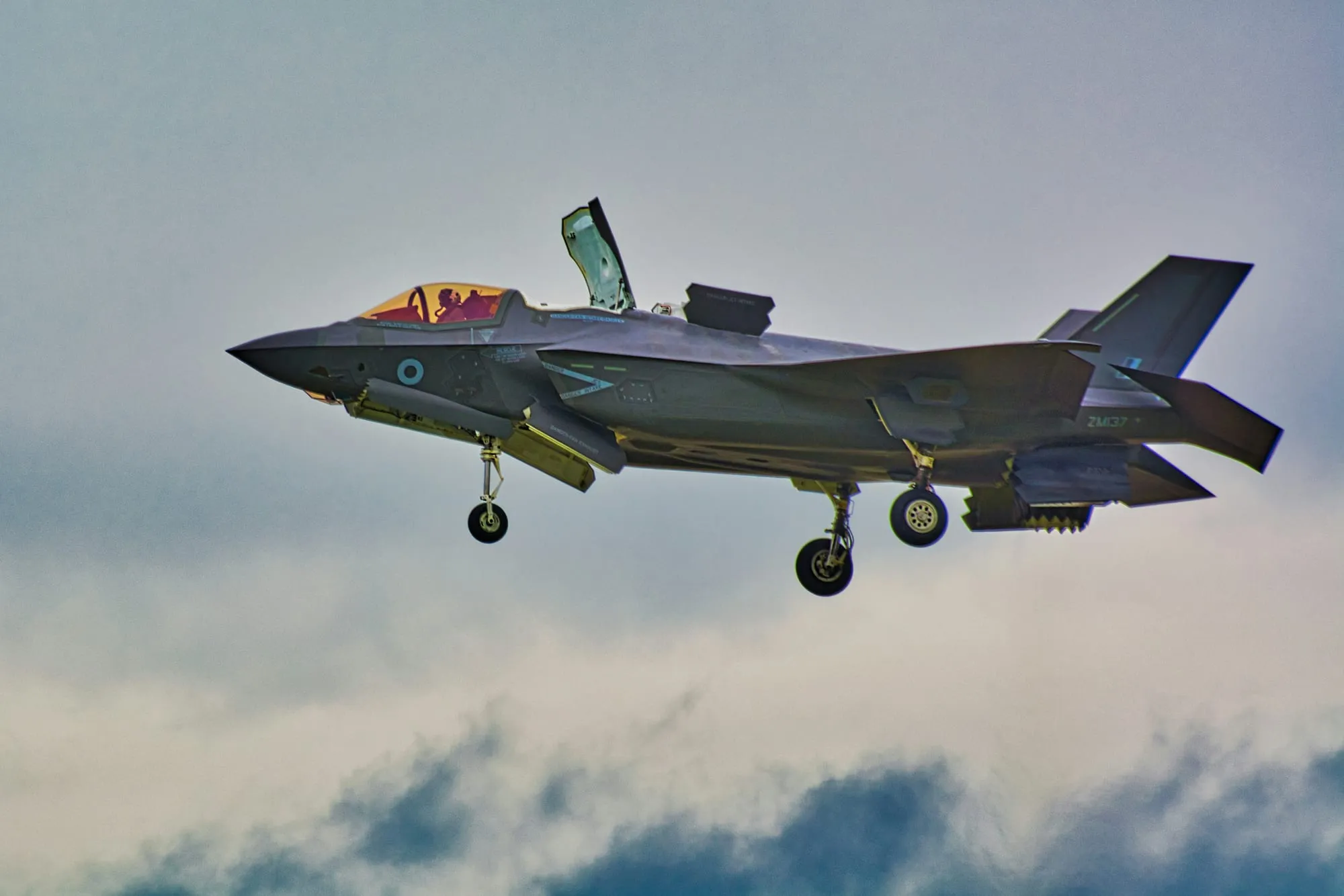

40 of 40 migration phases, zero failures, zero production outage.
Read customer story

Windchill, Solumina MES, ERP and Salesforce CPQ connected into one thread.
Read customer story+64%
User adoption improvement in 6-month PLM rescue program for aerospace manufacturer.
-81%
Change order cycle time reduction through automated PLM-ERP integration.
67%
Reduction in manufacturing errors after implementing digital work instructions and change management.
*Results reflect specific project implementations and may vary based on organizational factors and scope.
Three things our clients mention when they refer us:
That's why clients call us partners, not vendors.
73% of integrations fail from technology-first approaches.
We start with how your people actually work. Including the workarounds. Including the Excel sheets. Including the guy who knows where everything really is.
Then we build integration to match that reality.
Technology last, not first.
What happens when you strip it:
What we do differently:
We judge an aerospace implementation on five things: it goes live on the plan we agreed, it passes your AS9100 audit, people use it every day, it pays back, and you'd hire us again. Most of what makes that happen is decided before configuration starts.
We also turn work down. If the scope, budget or sponsorship isn't there for a compliant implementation, we'll say so before you sign.
Aerospace user adoption is challenging because users are often highly skilled engineers and technicians who've used legacy systems for decades. They're skeptical of new systems that promise to "make their job easier."
Element's adoption approach:
1. Involve users early (Requirements Phase)
2. Create champions in each department
3. Training that's relevant
4. Prove value early
5. Continuous improvement
How we check adoption: we track daily active users by role, the share of engineering changes that go through PLM instead of around it, and whether usage holds after the first few months. If it slips, we fix the workflow, not the users.
Key insight: Aerospace users adopt when system makes their job genuinely easier, not when forced to use system that adds friction. Design for their workflow, not generic best practices.
Legacy data migration is one of the most complex aspects of aerospace PLM implementation. You can't just "lift and shift" old CAD files and BOMs—you need a strategy for cleaning, validating, and restructuring data.
Element's migration approach:
Phase 1: Assessment
Phase 2: Strategy
Phase 3: Data Cleansing
Phase 4: Migration Execution
What gets migrated:
What gets archived:
Critical consideration for aerospace: aircraft that stay in service for decades mean you must maintain access to old data even if not in new PLM. We design archival strategies that allow retrieval when field service needs old configuration data.
Migration effort: often one of the larger parts of an aerospace program, more than in automotive, because of traceability requirements and the age of the data.
Yes, PLM can significantly reduce FAA certification time by organizing requirements, design evidence, test results, and compliance documentation in a structured, traceable format that FAA inspectors can audit efficiently.
How PLM accelerates certification:
Requirements Traceability:
Design History File (DHF):
Test Management:
Change Control:
Clients see the time savings mostly in three places: certification packages are assembled from records already in PLM instead of being compiled by hand; fewer packages go to the FAA with documents missing; and questions from the inspector are answered from the system the same day.
ITAR compliance in PLM requires three layers of control: classification, access restriction, and audit trails.
Layer 1: Data Classification
Layer 2: Access Control
Layer 3: Audit Trail
Deployment Considerations:
We've built ITAR access controls into Windchill for defense and aerospace manufacturers, designed against DDTC requirements, not generic security policy.
Aerospace and automotive have fundamentally different PLM requirements:
Product Lifecycle:
Configuration Complexity:
Traceability:
Change Management:
Compliance:
Volume:
Generic PLM implementations often fail in aerospace because they assume automotive-style requirements. Aerospace needs configuration management, effectivity, and traceability that automotive doesn't require.
Aerospace PLM implementations usually run longer than in other industries because AS9100 compliance, ITAR controls and certification support can't be shortcut. The work runs in four stages: requirements and compliance mapping; configuration and integration build; pilot and phased rollout; full production and AS9100 audit support.
It goes faster when you have one site rather than several, a narrower integration scope (PLM only, not PLM-ERP-MES-QMS), a cloud deployment, and a mostly standard configuration. We give you a timeline after discovery, and most of the failed projects we've rescued had been promised a much shorter one.
Yes, but it requires aerospace-specific PLM configuration that most generic implementations don't provide. You need a PLM structure that treats each aircraft (tail number) as a unique configuration instance, not just as "another copy" of the same design.
This means:
PTC Windchill has the strongest native support for this in the industry. We've implemented it for aerospace manufacturers that manage every tail number as its own configuration.
PLM provides serial number and lot traceability from raw material through finished product. Every component, subassembly, and assembly has a unique identifier that tracks where it came from, when it was installed, what configuration it's part of, and who performed the work.
When integrated with MES and QMS, this creates the complete audit trail AS9100 auditors require—showing not just what should have been installed (design BOM), but what actually was installed (as-built record) and whether it passed inspection (quality records).
For AS9100 compliance, PLM must:
We build that traceability into the PLM structure from the start, so audit evidence is a report, not a scramble.
AS9100 (the aerospace quality management standard) requires extensive documentation control, change traceability, and configuration management — all of which PLM systems like Windchill are designed to provide.
Specific AS9100 requirements that PLM addresses:
Clause 8.1.2 (Configuration Management): PLM provides the configuration baseline, revision history, and BOM structure that constitute the defined product configuration.
Clause 8.3.6 (Design and Development Changes): Windchill's ECO workflow provides the formal change review, approval, and documentation trail required by AS9100.
Clause 8.4 (Control of Externally Provided Processes): PLM supplier collaboration portals provide documented supplier design data exchange with controlled access and audit trail.
Clause 8.5.2 (Identification and Traceability): PLM's part revision history and as-built records provide the traceability from customer requirements through design to manufactured parts.
Clause 8.6 (Release of Products and Services): PLM holds the design data that AS9102 First Article Inspection (FAI) is checked against.
Organizations implementing Windchill for AS9100 typically configure the system to align their part lifecycle states and change workflow stages with AS9100 clause requirements, making audit evidence extraction straightforward.
ITAR (International Traffic in Arms Regulations) controls the export of defense-related products and technical data. For manufacturers with ITAR-controlled designs, PLM must enforce data access controls that prevent unauthorized foreign national access.
PLM ITAR compliance requires:
Access control:
Windchill ITAR configuration:
Cloud considerations:
Windchill+ (cloud) can be deployed in US-region data centers with access controls that meet ITAR requirements. Organizations must verify their cloud deployment meets DFARS 252.204-7012 cybersecurity requirements and, for CUI/CDI, potentially CMMC Level 2 or 3 requirements.
Key risk: The default Windchill configuration is NOT ITAR-compliant. ITAR access controls must be deliberately designed and tested before go-live.
Related Knowledge




A senior consultant reads every message. We'll tell you where we'd start, or say so if we're not the right fit.