Organizational Change Management for PLM
Digital Transformation

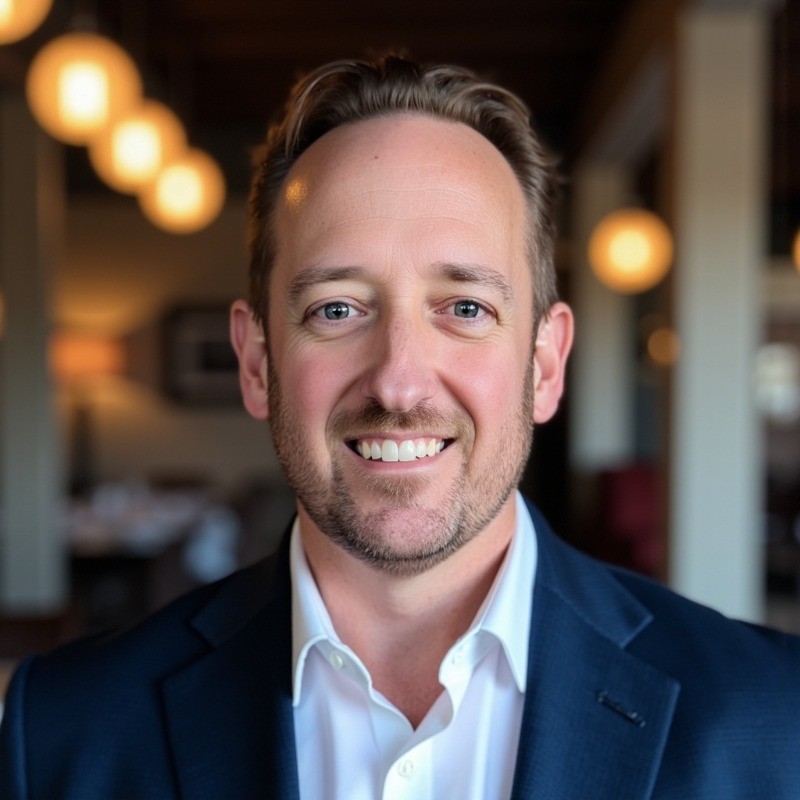
Eric Horn
Managing Partner
Organizational change management for PLM
You can stand up new PLM technology in a snap. Getting people to actually adopt it and change how they work is the hard part — and it's the single biggest reason implementations succeed or stall. Organizational change management (OCM) is the discipline of investing in that people side, and it routinely delivers more return than spending the same money on technology.
Key Fact | Detail |
|---|---|
What it is | The structured people-side practice that drives adoption |
Why it matters | The #1 predictor of whether a PLM project delivers its outcomes |
The stat | Projects typically realize only ~40% of intended outcomes without it |
Who you need | Champions, stakeholders at every level, a visible executive sponsor |
Common mistake | Asking the technical team to also run the change |
Related | Why PLM implementations fail, PLM maturity roadmap, digital transformation |
Why the people side decides outcomes
Standing up technology is the easy part — Eric's rule of thumb is that the people side is "terribly difficult" by comparison. When it's neglected, the typical project lands only about 40% of the outcomes it was chasing. The other 60–80% evaporates because people kept working the old way. Invest in the people, and you capture far more of the value you already paid for. It's both an art and a science.
Who you need on board
Champions. Internal advocates who genuinely want the change. You can push from outside all you want — real ground is only gained when people inside see the value and pull.
Stakeholders at every level. Subject-matter, management, and executive stakeholders each play a different role and need to be engaged to the right degree.
A present executive sponsor. The classic failure mode: a sponsor shows up to the kickoff, then disappears. Within months the team reads the silence as "this isn't a priority anymore." Communication has to be a sustained cadence — reinforced repeatedly — not a one-time kickoff speech. These efforts are measured in months and years, not weeks.
Handling "why change something that isn't broken?"
Resistance comes from everywhere, and it usually sounds reasonable: from where someone sits, their piece works fine. What they don't see is the rework they create downstream — the engineer passing data that three people later have to clean up. The job is to show them why, in terms they can feel: the business needs to mature, become more agile, protect margins. And when the business improves, people are rewarded — that has to be made visible too.
The most common mistake
Companies ask the same people doing the technical configuration to also run the people-side change. They're already maxed out, so it doesn't happen. OCM needs dedicated ownership — or an outside partner to lead it and educate your champions.
How Element helps
Element runs a dedicated change-management practice and bakes OCM into every engagement — because that's the difference between a system that's merely installed and a business that's genuinely transformed. See why PLM implementations fail and digital transformation.
Frequently Asked Questions
What is organizational change management in PLM?
It's the structured practice of managing the people side of a PLM rollout — building champions, engaging stakeholders, securing executive sponsorship, and overcoming resistance — so the organization actually adopts the new ways of working.
Why is change management so important for PLM?
Because the technology is the easy part. Projects that skip OCM typically realize only ~40% of their intended outcomes. The people side is the #1 predictor of success.
Who should own change management on a PLM project?
Not the technical team alone — they're too busy with the build. OCM needs dedicated ownership, often led by an outside partner who also coaches your internal champions.
How do you overcome resistance to PLM change?
Show people why the change matters in terms they feel — the downstream rework it eliminates, the business goals it serves — and keep executive sponsors visibly engaged on a steady cadence.
About the author
Eric Horn
Eric Horn is Managing Partner at Element Consulting and a PTC Certified Windchill Implementation Practitioner with 20+ years in PLM across aerospace, industrial, and medical.