
Digital Thread Integration: Connecting Engineering, Manufacturing, and Service
Windchill, Solumina MES, ERP and Salesforce CPQ connected into one thread.
Read customer story
 Talk to a consultantContact
Implement
Stand up Windchill and MPMLink
Improve
Fix or modernize what you have
Integrate
Connect Windchill to the rest
 Digital Thread Integration: Connecting Engineering, Manufacturing, and ServiceRead case study
Regulated
Compliance built into the PLM
Complex products
Variants, ETO and long lifecycles
 MPMLink Implementation: Modernizing Manufacturing Process Management for Defense ContractorRead case study
Learn
Plain answers on PLM and Windchill
Choosing a partner
For teams comparing options
 PTC's Services Team or an Independent Windchill Partner? How to DecideRead
Element
Senior-only PTC Windchill consultancy since 2003
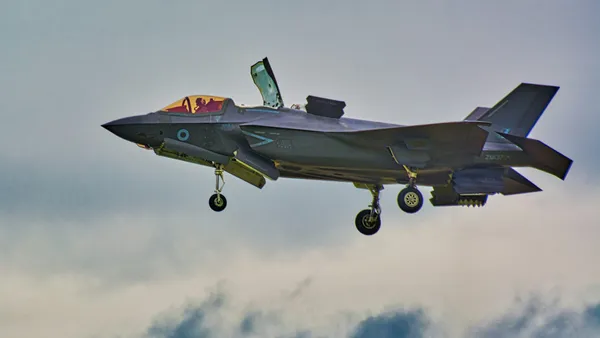 A Production Windchill Upgrade: 40 Phases, Zero Failures, Zero OutageRead case study
Choosing a partner
We focus on the part everyone else ignores: making sure your people actually use the systems. 88% adoption vs 30% industry average.
Engineers keep using Excel. Manufacturing ignores the system. Sales works around it.
Why? Because consultants focus on technology deployment, not organizational change. They connect systems without ensuring departments understand each other.

We design workflows around how your business actually operates—not how consultants think it should. Technology serves the process, not the other way around.
Engineering's "component" becomes manufacturing's "subassembly" becomes sales' "option"—automatically. Systems connected AND departments aligned.
We don't declare success at go-live. Success is when 80%+ of your people prefer the new system to the old way. That's why we hit 88% adoption.
+64%
User adoption improvement in 6-month PLM rescue program for aerospace manufacturer.
-81%
Change order cycle time reduction through automated PLM-ERP integration.
67%
Reduction in manufacturing errors after implementing digital work instructions and change management.
*Results reflect specific project implementations and may vary based on organizational factors and scope.
Windchill, Solumina MES, ERP and Salesforce CPQ connected into one thread.
Read customer story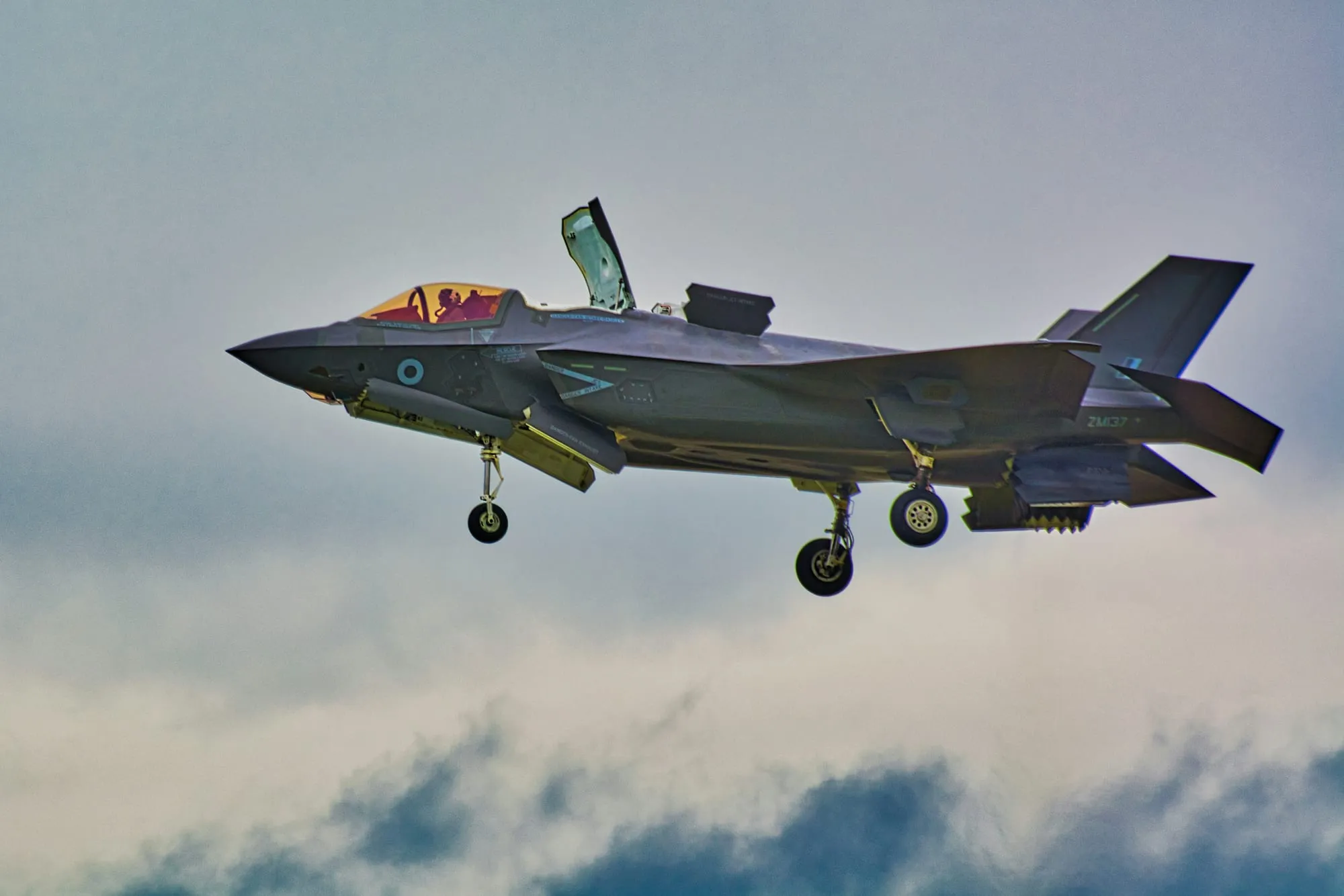

40 of 40 migration phases, zero failures, zero production outage.
Read customer storyPLM implementation is one component. Digital transformation connects engineering, manufacturing, quality, and operations end-to-end. It includes process redesign, integration across all systems, organizational change management, and continuous improvement—not just deploying software.
Most fail from poor organizational change management, not technology. Consultants deploy systems and leave. Nobody adopts the new way of working. Our 88% adoption rate comes from staying until your people actually prefer the new system—not just declaring victory at go-live.
8-12 months for mid-sized manufacturers (200-500 employees). Larger or more complex organizations: 12-18 months. Companies trying to do it faster typically fail. Organizational change takes time—you can't rush people through learning new ways of working.
We build executive sponsorship across multiple stakeholders, not just one champion. We also document clear ROI and progress metrics so new leadership can see value quickly. That said, consistent executive support is one of the biggest success factors—which is why we assess leadership commitment before starting.
Yes, and we recommend it. Start with one product line or plant as a pilot. Prove value. Then expand. Trying to transform everything at once increases risk. Phased approach also helps with budget and resource constraints.
Related knowledge
A senior consultant reads every message. We'll tell you where we'd start, or say so if we're not the right fit.