PLM Implementation for Automotive Suppliers

Connect engineering to high-volume production with complete traceability. IATF 16949 certified, PPAP-ready. From design through manufacturing to warranty—digital thread for automotive scale. 31 successful transformations.
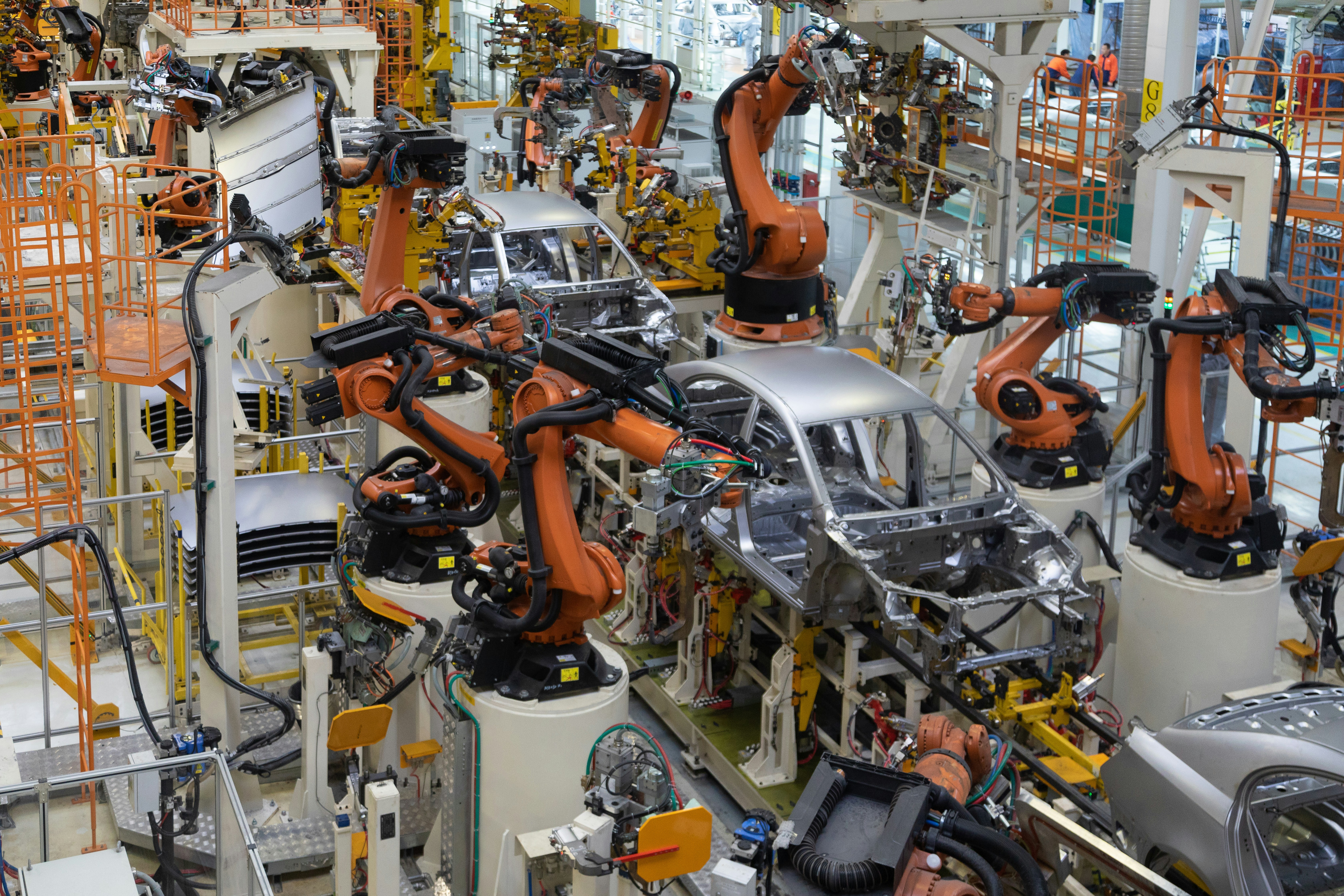
Automotive manufacturing demands speed, scale, and zero defects.

Automotive manufacturing demands speed, scale, and zero defects.

Automotive manufacturing demands speed, scale, and zero defects.

Products launch in 24-36 months. Production runs at seconds-per-unit. Every component must be traced from supplier through assembly. And a single quality escape can trigger million-unit recalls.

Generic PLM implementations fail automotive suppliers because they don't understand PPAP complexity, just-in-time supply chains, or the reality that your OEM customers expect perfect quality at the lowest possible cost with annual productivity improvements.

Element Consulting specializes in PLM for automotive suppliers. We've implemented systems for 31 automotive manufacturers—from tier-1 to tier-2 suppliers across powertrain, body systems, and electrical components—with 100% IATF 16949 audit pass rate and average 60% PPAP time reduction.

Automotive Case Studies

+64%

User adoption improvement in 6-month PLM rescue program for aerospace manufacturer.

+64%

User adoption improvement in 6-month PLM rescue program for aerospace manufacturer.

+64%

User adoption improvement in 6-month PLM rescue program for aerospace manufacturer.

-81%

Change order cycle time reduction through automated PLM-ERP integration.

-81%

Change order cycle time reduction through automated PLM-ERP integration.

-81%

Change order cycle time reduction through automated PLM-ERP integration.

67%

Reduction in manufacturing errors after implementing digital work instructions and change management.

67%

Reduction in manufacturing errors after implementing digital work instructions and change management.

67%

Reduction in manufacturing errors after implementing digital work instructions and change management.

*Results reflect specific project implementations and may vary based on organizational factors and scope.

What makes us different:

Three things our clients mention when they refer us:

Partnership, not information

  • We don't just deliver reports and leave

  • We guide you through decisions (not just present options)

  • We stay until it's working (not just technically live)

  • We make sure you can sustain it (not dependent on us forever)


That's why clients call us partners, not vendors.

  • We don't just deliver reports and leave

  • We guide you through decisions (not just present options)

  • We stay until it's working (not just technically live)

  • We make sure you can sustain it (not dependent on us forever)


That's why clients call us partners, not vendors.

Process-First Integration

73% of integrations fail from technology-first approaches.


We start with how your people actually work. Including the workarounds. Including the Excel sheets. Including the guy who knows where everything really is.


Then we build integration to match that reality.


Technology last, not first.

73% of integrations fail from technology-first approaches.


We start with how your people actually work. Including the workarounds. Including the Excel sheets. Including the guy who knows where everything really is.


Then we build integration to match that reality.


Technology last, not first.

OCM Adoption

What happens when you strip it:

  • Technology works perfectly

  • Users revert to Excel within 3 months

  • $2M investment sits unused

  • 39% adoption (industry average)


What we do differently:

  • OCM is mandatory, not optional

  • Change champions in each department (not just training)

  • Measure adoption, not just implementation

  • Fix what's not working (not just "go-live and hope")

What happens when you strip it:

  • Technology works perfectly

  • Users revert to Excel within 3 months

  • $2M investment sits unused

  • 39% adoption (industry average)


What we do differently:

  • OCM is mandatory, not optional

  • Change champions in each department (not just training)

  • Measure adoption, not just implementation

  • Fix what's not working (not just "go-live and hope")

FAQ

How does PLM support IATF 16949 traceability requirements?

Can PLM really automate PPAP package generation?

How long does automotive PLM implementation typically take?

How do you handle millions of vehicle configurations in PLM?

What's the difference between PLM for automotive vs aerospace?

How do you manage model year changes while production continues?

How does PLM reduce PPAP time from 14 weeks to 6 weeks?

What's your success rate with automotive PLM implementations?

Can PLM help with cost reduction targets from OEMs?

Ready to Transform Your PLM System?

Ready to Transform Your PLM System?

Schedule a consultation with our PLM specialists. We'll assess your integration challenges, identify quick wins, and show you what 88% success rate looks like.

Ready to Transform Your PLM System?

Schedule a consultation with our PLM specialists. We'll assess your integration challenges, identify quick wins, and show you what 88% success rate looks like.

Ready to Transform Your PLM System?

Schedule a consultation with our PLM specialists. We'll assess your integration challenges, identify quick wins, and show you what 88% success rate looks like.