Why PLM Implementations Fail
Digital Transformation

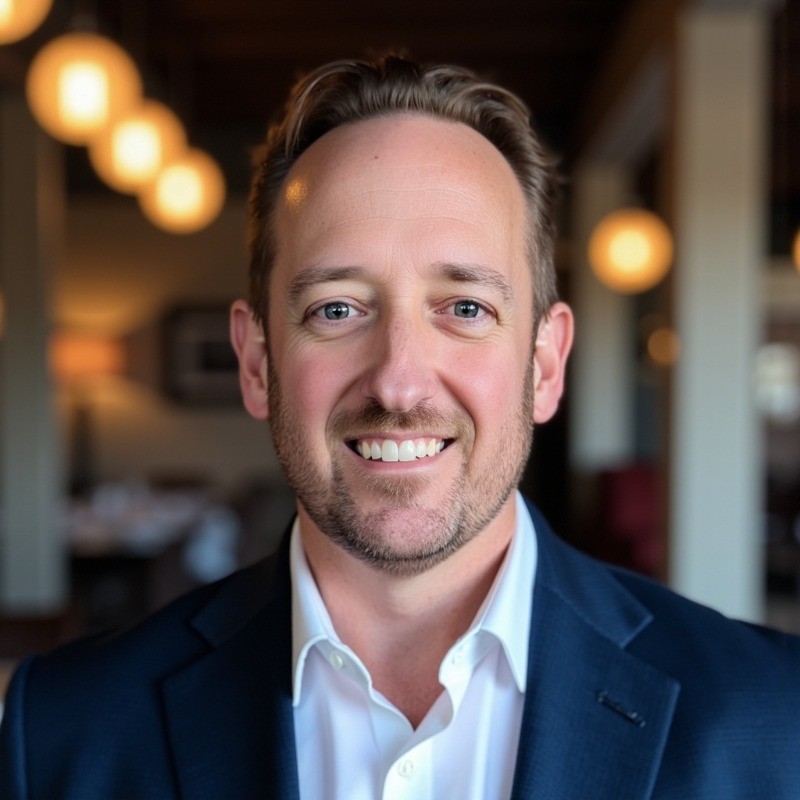
Eric Horn
Managing Partner
Why do PLM implementations fail?
PLM implementations rarely "fail" in the dramatic, system-won't-turn-on sense. They fail quietly: the typical project achieves only about 40% of the outcomes it set out to deliver. The other 60–80% is left on the table — not because the technology didn't work, but because the people never changed how they work. The software is almost always the easy part.
Key Fact | Detail |
|---|---|
The number | ~40% of intended outcomes are typically achieved |
Why | The people/change side is under-invested, not the tech |
Biggest myth | "It's a software project" |
#1 predictor of success | Organizational change management |
Classic red flag | A vendor offering a full roadmap in a day or two |
Related | Change management, PLM rescue, maturity roadmap |
What "failure" really means
It's a misconception that 40% success means 60% of projects collapse. What actually happens is subtler and more common: the system goes live, but the business only realizes a fraction of the value it was chasing. You spent the money and you're using the tool — you're just not getting the transformation you paid for.
The real reasons implementations underdeliver
1. The people aren't bought in. Standing up new technology can happen in a snap. Getting people to actually adopt and change how they work is the hard part — and it's where most of the missed value hides.
2. No champion or absent executive sponsor. Change needs internal advocates. And when an executive sponsor shows up to the kickoff and then disappears, the team quietly concludes it's no longer a priority. Communication has to be a sustained cadence, not a one-time event.
3. It's treated as a technology project. Teams ask the technical staff doing the configuration to also run the people-side change. They're too busy, so it doesn't happen.
4. Change resistance goes unaddressed. "Why are you changing something that isn't broken?" feels right to the person asking — their piece works fine. They don't see the rework they're creating downstream. Someone has to show them why, in terms they can feel.
5. A bad partner — or a fantasy plan. Beware the vendor who offers a complete roadmap in a day or two. Those are cookie-cutter and usually designed to sell you more software, not to drive business outcomes.
To go deeper on failure, watch this video:
How to avoid the 40% trap
The single highest-ROI investment isn't more technology — it's the people side of change. Invest there and you capture far more of the value. That means dedicated organizational change management, real champions, visible executive sponsorship, and a realistic maturity roadmap measured in phases, not a single big bang.
How Element helps
Element bakes change management into every implementation and runs a dedicated practice for the people side — because that's the differentiator between a system that's installed and a business that's transformed. If a project has already stalled, see Windchill rescue.
Frequently Asked Questions
Why do most PLM implementations fail?They typically achieve only ~40% of intended outcomes because the people side of change is under-invested. The technology usually works; adoption and process change are what fall short.
Is PLM failure a software problem?Almost never. Standing up the software is the easy part. The missed value comes from people not changing how they work — a change-management gap, not a technology gap.
How do I reduce the risk of PLM failure?Invest in organizational change management, secure visible executive sponsorship and internal champions, treat it as a business transformation (not an IT project), and follow a realistic, phased roadmap.
What's a warning sign of a bad PLM partner?A vendor who promises a full roadmap in a day or two. Thoughtful roadmaps require getting to know your business; quick ones are cookie-cutter and tend to be built to sell software.
About the author
Eric Horn
Eric Horn is Managing Partner at Element Consulting and a PTC Certified Windchill Implementation Practitioner with 20+ years in PLM across aerospace, industrial, and medical.